
What I Help With
Autism Support for Kids, Teens and Adults
More Than a Diagnosis
I have been interested in these differences for most of my life. I wrote a paper about autism when I was still in high school, long before it was discussed as openly as it is now, and I was a gifted kid myself. Some of what I understand comes from the inside out. A great deal of it also comes from many years of sitting with autistic clients and letting them show me their world.
I do not diagnose or assess autism. My role is therapy support for people who are autistic, identify as autistic, or are exploring what being neurodivergent means in their daily life.
Work Built Around the Individual
People who were identified later in life, or never formally identified at all, may spend decades knowing that something feels different without having language for why. Some autistic people have become so good at adapting that when they finally name their experience, other people respond with, “You don’t seem autistic.” Autism does not always look like the most obvious or stereotyped version people expect to see.
When you are part of a smaller group, you also see yourself reflected less often. You may not see yourself in the people around you, or in books, television, and movies except in exaggerated characters. Not every autistic person is Sheldon Cooper. Most people do not walk around presenting as the most recognizable fictional version of autism, ADHD, giftedness, or anything else.
People are much more complicated than that.
Communication Without Guessing
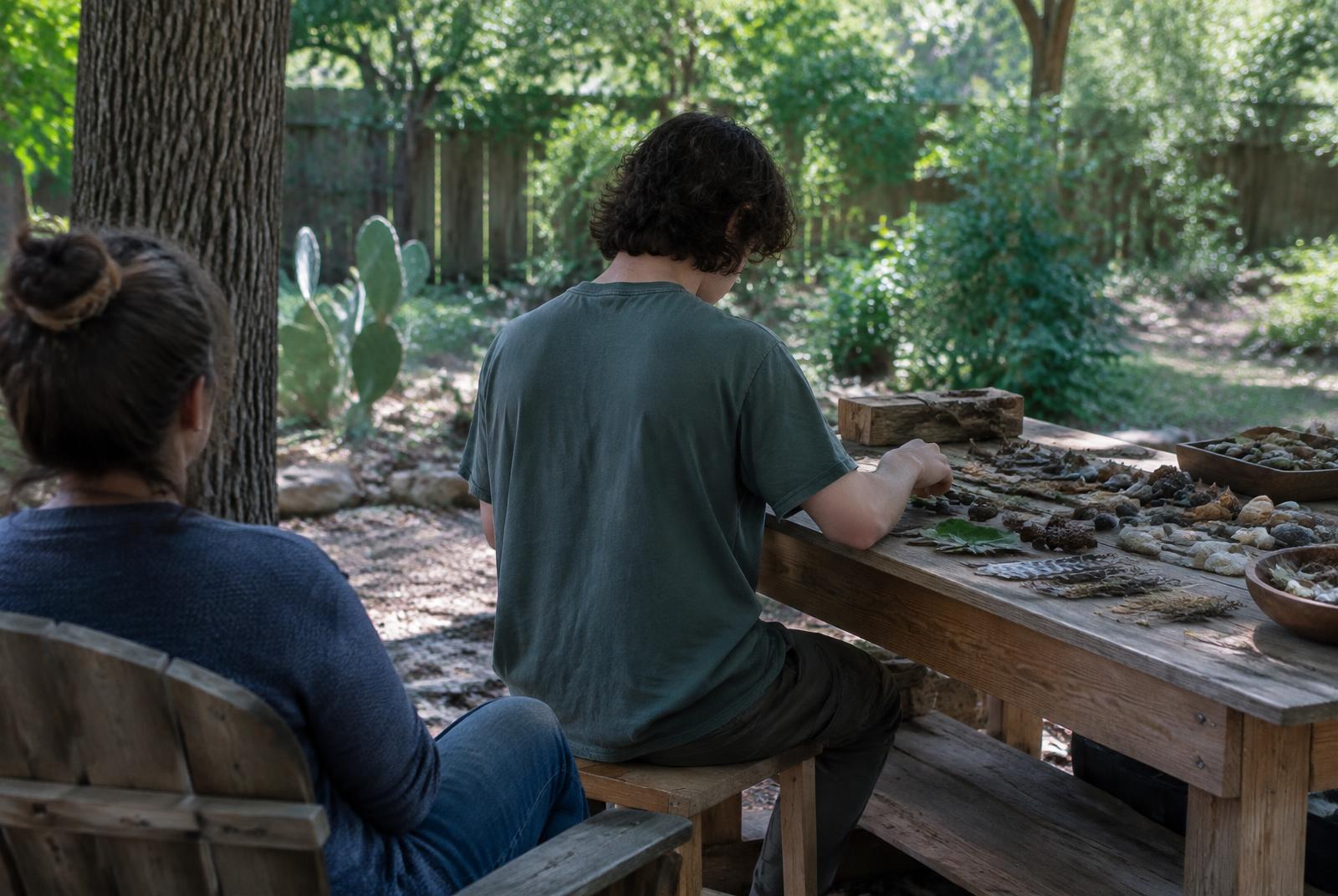
Sometimes connection means listening while someone goes into extraordinary detail about a subject I know very little about and may not have been particularly interested in before. I have learned that when someone cares deeply about something, one of the best ways to connect is often simply to be curious enough to enter that world with them. Let them teach me. Let them be the expert. Let them talk about the thing they know inside and out. Very often, relationship begins there.
Options for Where We Meet
Therapy can happen virtually while you are located anywhere in Texas. In-home sessions are sometimes possible in Killeen, Copperas Cove, Temple, and surrounding communities when the familiar setting supports the work.
The My Approach page explains how relationship and curiosity shape my sessions. Neurodivergent Support offers a broader view of my work with autistic people and people with ADHD.
Contacting Me
Send a message with the age of the person seeking care and what you hope therapy might address. I take care of scheduling myself, which gives us room to discuss practical needs before choosing a time.
You can start with a free 15-minute introductory conversation before making an appointment. That conversation can help you decide if my style and available formats make sense for you or your family.
How I Work